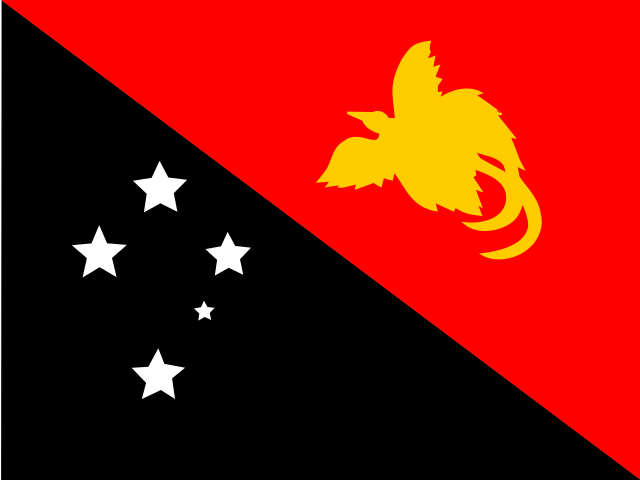
 Papua New GuineaProtection
Asylum and refugee status in Papua New Guinea
Refugee status determination and refugee visa
In short
Papua New Guinea is a party to the 1951 Refugee Convention and its 1967 Protocol and runs its own refugee status determination procedure, developed with UNHCR, which no longer decides cases in PNG. ICA officers assess claims first, an independent panel of lawyers can review negative assessments, and the Minister for Immigration and Border Security makes the final decision. Recognised refugees can apply for a permanent refugee visa with work rights.
checked 25 October 2026
Key facts
- Validity
- Refugee visa is permanent
- Work
- Refugee visa holders have work rights
- Path to permanent residence
- Refugee visa is permanent; PNG offers refugees the opportunity to become citizens
- Where to apply
- In Papua New Guinea
Legal framework
PNG acceded to the 1951 Convention relating to the Status of Refugees and its 1967 Protocol in the 1980s, and on 19 July 2013 withdrew its reservations to parts of the Convention, giving refugees wider rights including work rights. Its National Refugee Policy commits it to recognise refugee rights in national legislation, to support refugees to become self-sufficient and to offer them the opportunity to become citizens. PNG has protected West Papuan refugees since 1963.
ICA states that PNG acceded to the Convention and Protocol in 1987 and in 2008 also acceded to the International Covenant on Economic, Social and Cultural Rights and the International Covenant on Civil and Political Rights. Under its National Refugee Policy PNG works with other countries and international organisations against people smuggling and trafficking, may make arrangements with other countries for processing claims and settling refugees, and sets resettlement targets for refugees with skills needed for national development.
How claims are decided
Refugee status determination is set out in legislation. Claims are first assessed by ICA officers, and claimants may be given interpreters and help from refugee law experts to prepare their applications. Under PNG law the Minister for Immigration and Border Security makes the final determination. ICA also assesses whether a person who is not a refugee would face torture, cruel or degrading treatment, arbitrary deprivation of life or the death penalty if removed.
- Make your protection claim to ICA in Papua New Guinea.
- Prepare your application, with an interpreter and legal help where provided.
- Receive the ICA officer's assessment.
- If negative, apply for review by the independent panel.
- If recognised, apply for the refugee visa and Certificate of Identity.
Rights after recognition
A recognised refugee may apply for a refugee visa and a Certificate of Identity. The refugee visa is permanent and gives freedom of movement and work rights. Because PNG has no extensive welfare system, support focuses on employment; recently arrived refugees may receive language and cultural orientation, case management and help finding work and accommodation.
For West Papuans who have lived in PNG for many years, support focuses on giving them the same rights and legal status as Papua New Guineans through citizenship.
Review of negative decisions
A person initially assessed not to be a refugee is entitled to apply for independent review by a panel of eminent PNG and international lawyers. People finally determined not to be refugees are required to leave Papua New Guinea.
Documents
Supporting documents (where they apply)
Identity
- Any identity or travel documents you have
Other
- Statement and evidence supporting the protection claim
Frequently asked questions
Who decides asylum claims in Papua New Guinea?
ICA officers assess claims first, and under PNG law the Minister for Immigration and Border Security makes the final determination.
Does UNHCR decide refugee cases in PNG?
No. UNHCR used to, but has stopped and now supports ICA, including through training.
Can recognised refugees work?
Yes. The refugee visa is permanent and provides work rights and freedom of movement.
Official sources
- ICA – Refugee status determination process (archived copy, 2025-07-16)
- ICA – National refugee policy (archived copy, 2026-02-08)
- ICA – Human rights and social welfare of refugees (archived copy, 2025-07-16)
- ICA – PNG refugee protection in the international context
Summarised from the official sources above. Rules, fees and processing times change: confirm with the embassy or the official portal before you apply.
Other visa types for Papua New Guinea
Visits and short stays
- Tourist visa Maximum stay: Usually 60 days from arrival
Business and self-employment
- Business visa Maximum stay: 30 days per entry (single entry)
Study and training
- Student visa Processing time: 10 working days
Work
- Work visa Maximum stay: Six months to three years
Residence
Online travel permits
- Visa on arrival Maximum stay: 30 or 60 days from arrival